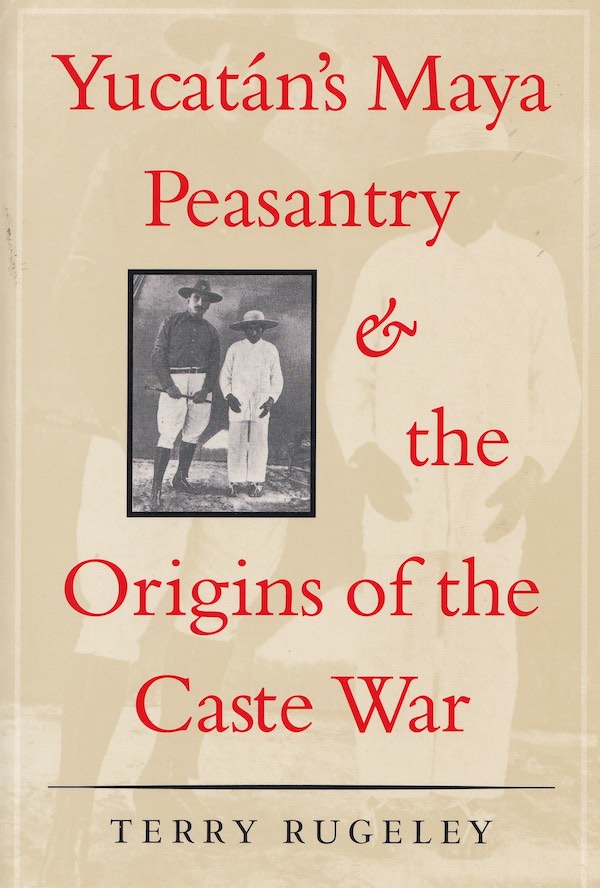
Yucatán’s Maya Peasantry and the Origins of the Caste War (Austin: University of Texas Press, 1996).
My first book and a product of my dissertation. Yucatán’s Maya Peasantry explored its topic by means of extensive primary source material. It significantly revised Nelson Reed’s The Caste War of Yucatan (1964), and was the beginning of many years of research and writing centered around southeast Mexico.
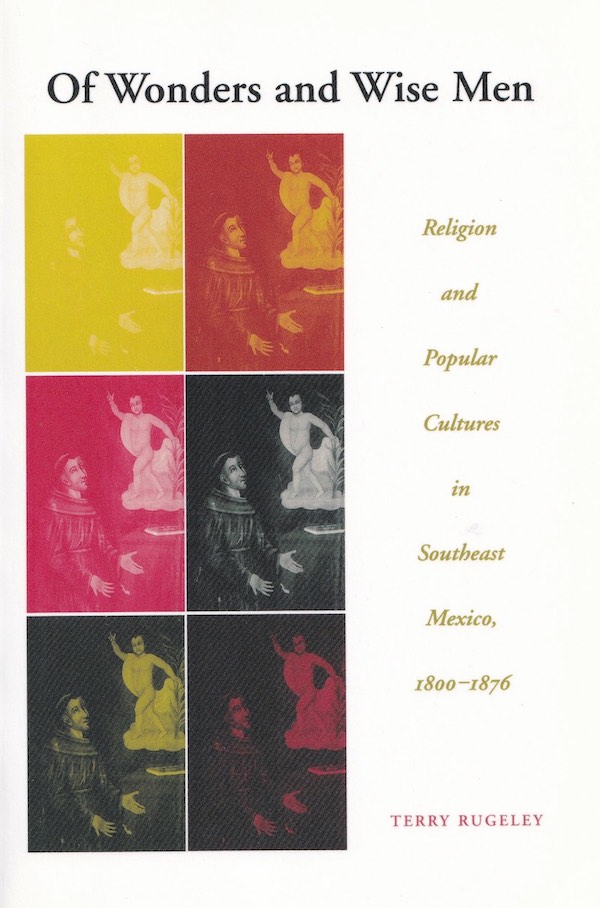
Of Wonders and Wise Men: Religion and Popular Cultures in Southeast Mexico, 1800-1876.Austin: University of Texas Press, 2001
Of Wonders and Wise Men is a book much more to my heart. I wanted to break away from institutional constraints in terms of both the source material and the kind of questions we were asking. The book explores lesser known but still important corners of Mexican cultural history. Above all, I also tried to infuse this book with a prose that set it apart.
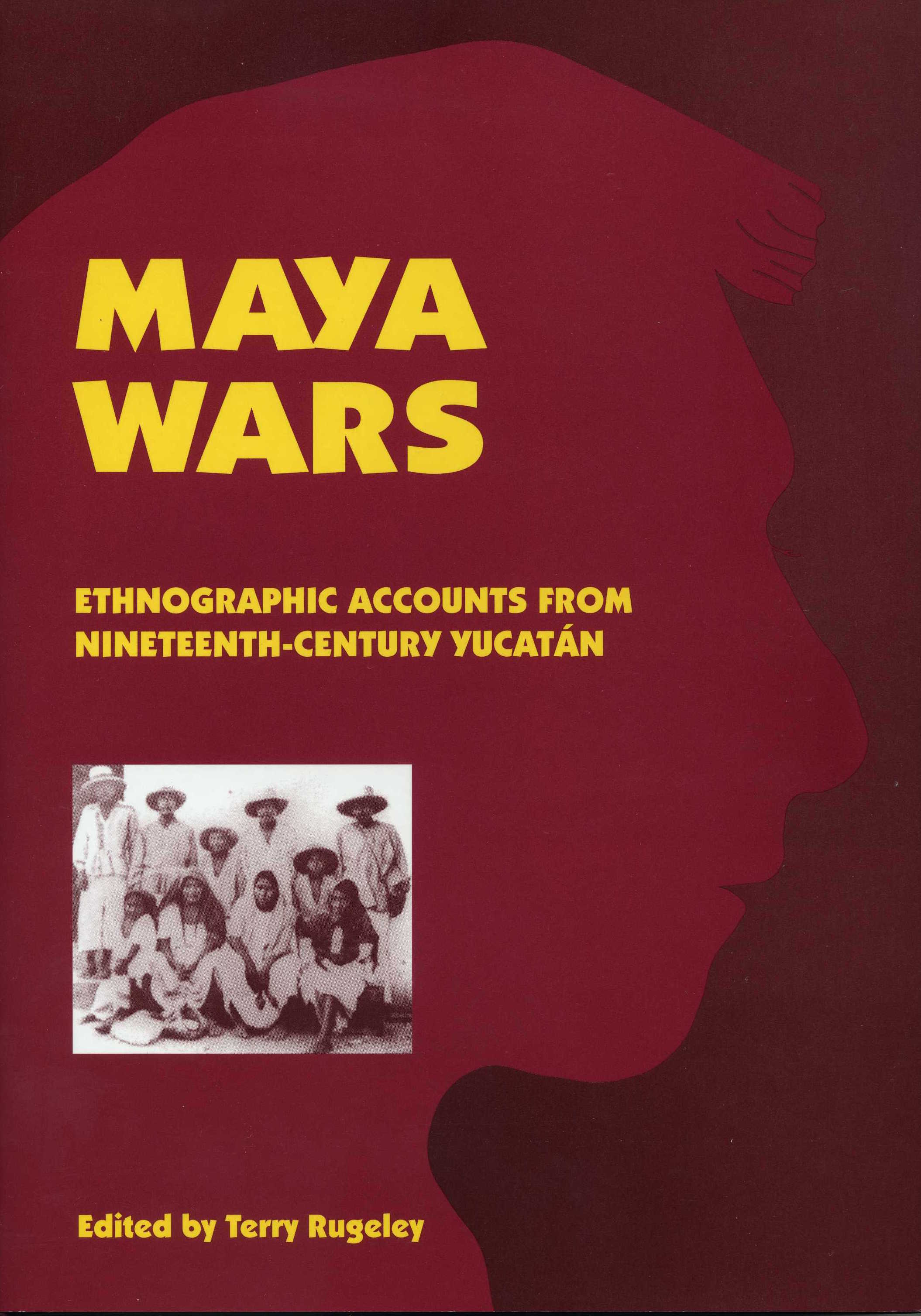
Maya Wars: Ethnographic Accounts from Nineteenth-Century Yucatán.Norman: University of Oklahoma Press, 2001
My first translation effort. In this collection of primary documents for the period before and during the Caste War, I provided annotated English-language versions of writings in both Spanish and Yucatec Maya. Many of these documents are now cited by other scholars today.
Alone in Mexico: The Astonishing Travels of Karl Heller, 1845-1848.Tuscaloosa: University of Alabama Press, 2007
Having tested the waters of translation, I could not wait to return. This time I used my knowledge of German to translate the travel narrative of Austrian botanist Karl Heller, who could not have come to Mexico at a dramatic time. Heller witnessed both the U.S. invasion and the early Caste War.He traveled to Mexico City, Mexico state, and most of the east and southeast.His detailed and engaging account lay forgotten for 150 years.I’m happy to see it cited in other studies as an important primary source.
Rebellion Now and Forever: Mayas, Hispanics, and Caste War Violence in Yucatán, 1800-1880.Stanford: Stanford University Press, 2009
Rebellion was the product of some fifteen years of research. Many historians had told the story of the Caste War, but almost all of them recycled nineteenth-century narratives.I wanted to move our understanding forward by going back to primary documents.The book traces an all-too-familiar theme for twenty-first century readers, namely, the way that endemic violence shapes culture and society.The research was a major part of the work, but again, I tried to say things in ways that I didn’t think other historians would.
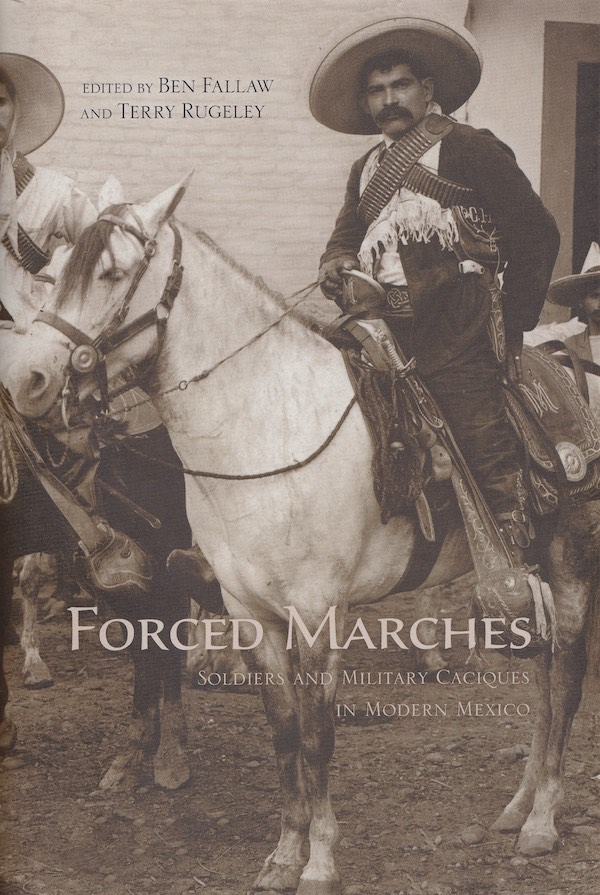
Forced Marches: Soldiers and Military Caciques in Modern Mexico, co-edited with Ben Fallaw.Tucson: University of Arizona Press, 2012
A collection of essays with my friend Ben Fallaw, to whom I must cede the greater credit here.We put together a team of quality researchers and writers who looked past myths and got down to many of the surprising realities of Mexican military history.The essays run from the time of independence to the years of revolutionary state formation.A great idea, Ben.
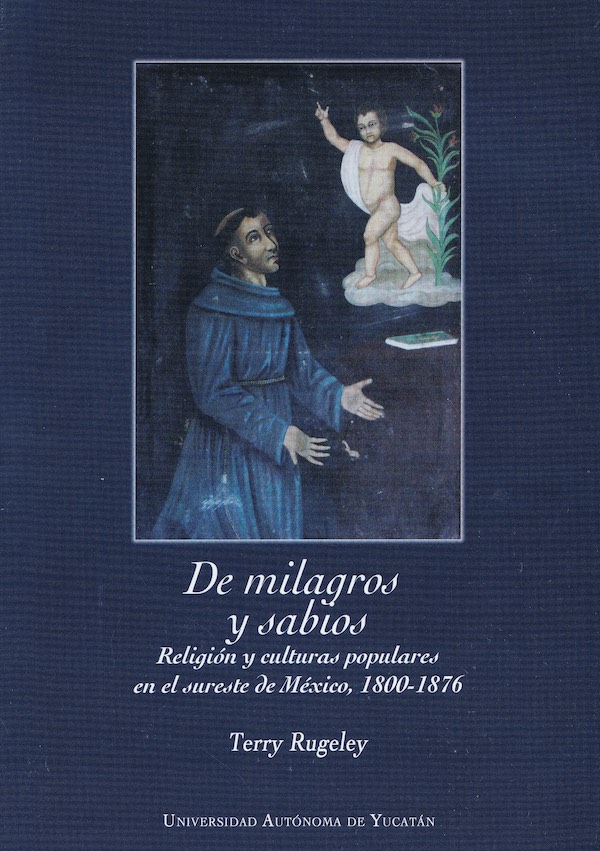
De milagros y sabios: Religión y culturas populares en el sureste de México, 1800-1876, translated by Carlos Alberto Silva Mena. Mérida: Universidad Autónoma de Yucatán, 2012
In this case I was the translated, and not the translator.De milagros y sabios is a Spanish-language edition of my second book, Of Wonders and Wise Men.It was a great pleasure to be able to place this work before a Mexico readership.Special thanks to Dr. Sergio Quezada for helping to make this translation possible.
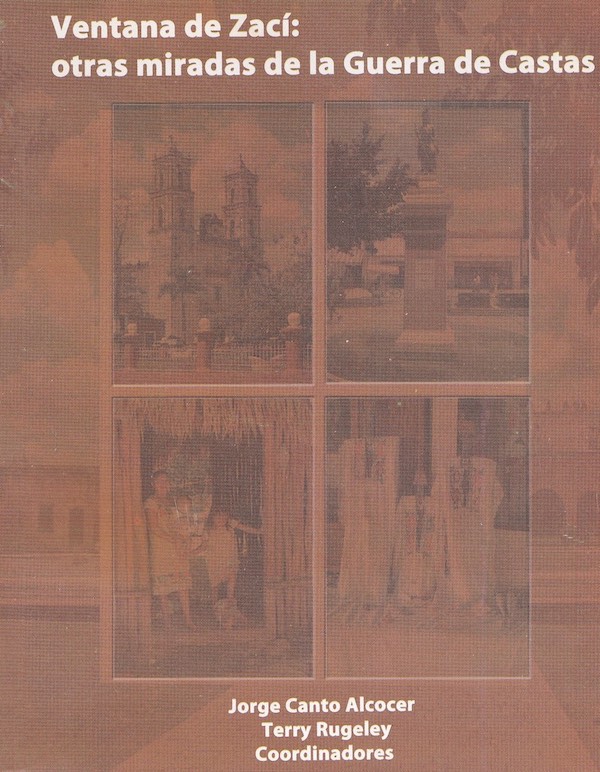
Ventana de Zací: otras miradas de la Guerra de Castas, co-edited with Jorge Canto Alcocer.México: Universidad del Oriente, 2013
I’ve had the good fortune to work with many fine collaborators, and Jorge Canto Alcocer has been one of them.He had invited me to speak at the Universidad del Oriente, in Valladolid, Yucatán.Out of the experience came this collection of essays on local history, something that Valladolid — or in pre-Columbian times, Zací — has in abundance.
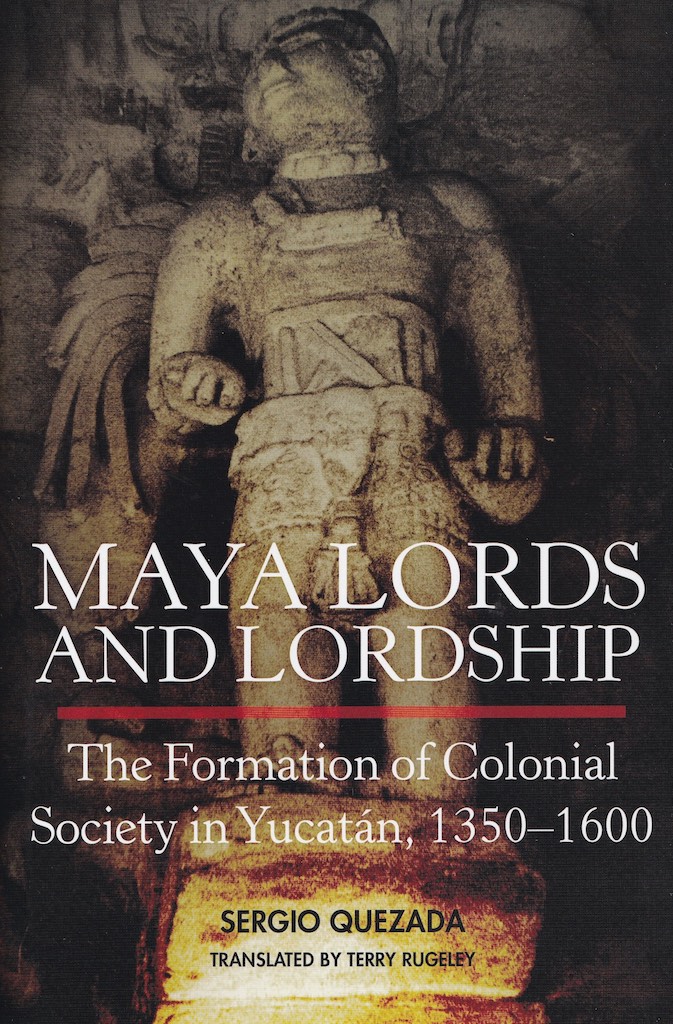
Maya Lords and Lordship: The Formation of Colonial Society in Yucatán, 1350-1600, by Sergio Quezada. Translated by Terry Rugeley.Norman: University of Oklahoma Press,2014
Translation came back to my table in the form of Maya Lords and Lordship.Sergio Quezada is one of Mexico’s leading historical researchers, and I thought that his work deserved an English-language readership.Dr. Quezada argues that Maya concepts of sovereignty in the late fifteenth and early sixteenth centuries were based not on territory, but rather on ties of personal loyalty.Spanish restructuring of society broke apart those ties.The trick here was to take a densely researched and carefully argued historical study and turn it into accessible English prose.
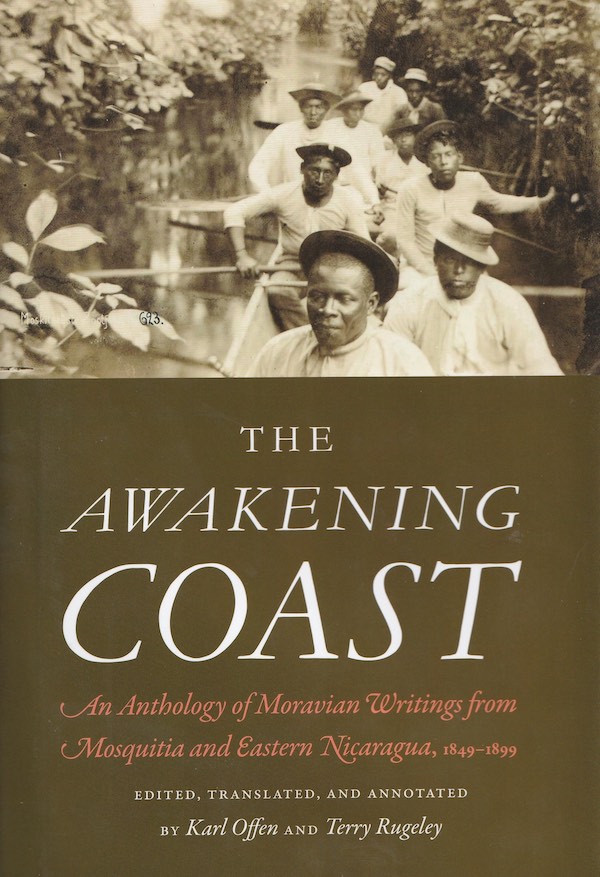
The Awakening Coast: An Anthology of Moravian Writings from the Mosquito Reserve and Eastern Nicaragua, 1849-1900, translated and co-edited with Karl Offen.Lincoln: University of Nebraska Press, 2014
Another translation project.I worked with cultural geographer Karl Offen, noted expert on the Mosquito Peoples, to produce this book.Karl had amassed a huge collection of German-language writings by the Moravian missionaries who evangelized eastern Honduras and Nicaragua in the second half of the nineteenth century.As with so many of my projects, I was drawn to The Awakening Coast by the fact that nothing of this sort existed, despite the theme’s ethnohistorical importance.Karl selected the material and the wrote introduction; we worked on the notes together; I handled the translations.If memory serves, I also came up with the title.It references the fact that missionary activities, coupled with profound social stresses, caused a millenarian “great awakening” among coastal indigenous peoples.
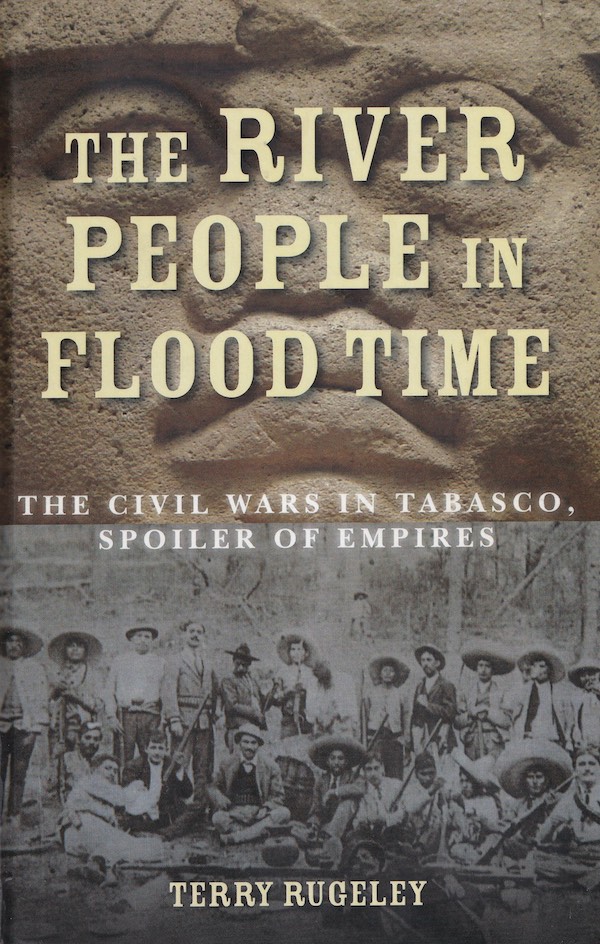
The River People in Flood Time: The Civil Wars in Tabasco,Spoiler of Empires.Stanford: Stanford University Press, 2014
River People ranks with Wonders as two of my favorites.There was virtually no professional historical writing about what can only be called an incredible saga of an exotic and little known province.The people of nineteenth-century Tabasco were poor, under-equipped, and disorganized, but they managed to defeat one imperial power after another.Following what I had learned about cultural geography, I tried to make the place as important an actor as the people themselves.And once again, there was the quest for a different kind of historical diction. But the dramatic lives of the river people of yesteryear made it easy.
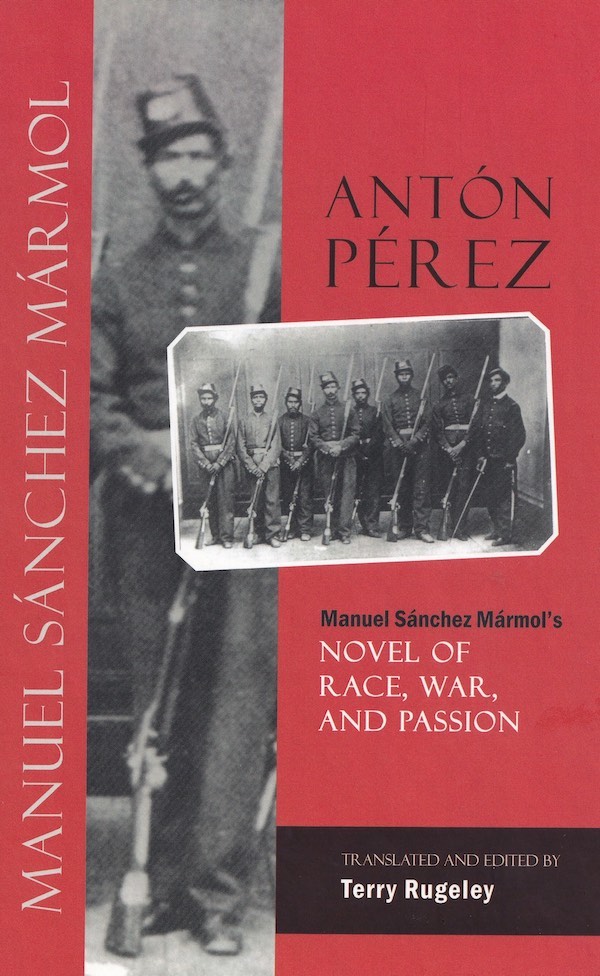
Antón Pérez: Manuel Sánchez Mármol’s Novel of Race, War, and Passion.Translated by Terry Rugeley.Amherst: Cambria Press, 2019 Back to translation.Lengthy research projects almost always have spillover, and that was the case here.While researching River People I came across this 1903 novel, written by someone who as a young man had participated in the political and military struggles of the 1860s.It’s never clear how reliable such documents are as historical evidence; memories can take on a life of their own.But I put it aside with the intention of giving it a separate treatment.This tale of racial conflict, political turmoil, and unrequited love holds up incredibly well after a century.I will always remember the supportive treatment I received from Cambria Press.
Epic Mexico: A History from Earliest Times to the Present.Norman: University of Oklahoma Press, 2020
It has always been a treat to work with the University of Oklahoma Press, and when Alessandra Tamulevich suggested that I author a concise history of Mexico, I could not turn down the opportunity.This project allowed me to take what I knew about the topic and forge it into a readable and coherent whole.
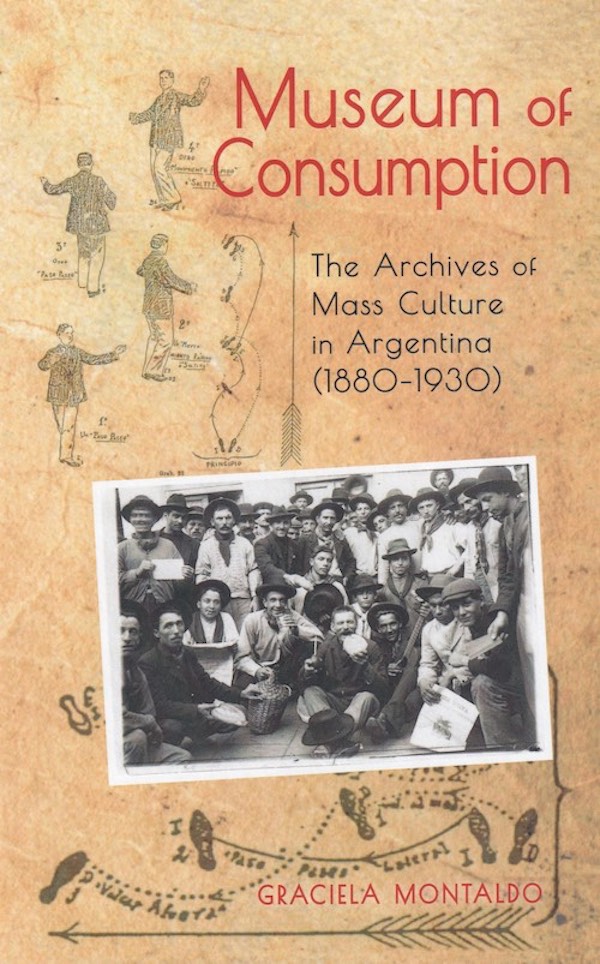
Museum of Consumption: The Archives of Mass Culture in Argentina (1880-1930), by Graciela Montaldo. Translated by Terry Rugeley. Amherst: Cambria Press, 2021
It was my good fortune to translate Dr. Graciela Montaldo’s Museo del consumo, a work that originally appeared on Fonda de Culture Económica in 2014. This absorbing and comprehensive study of explores the rise of Argentine mass culture through such diverse manifestations as popular theater, circuses, tango, and street violence. It will become essential reading for scholars of Argentine history, and will interest anyone studying the birth of modern urban society.